
Property types · Residential
Buying residential property in New Zealand.
Houses, apartments, townhouses and the bach. Residential is where the nationality rules bite. It's also where holding costs are lowest once you're in: no stamp duty on the way in, no land tax while you hold, and a two-year bright-line instead of a general capital gains tax.
What does the NZ residential market look like?
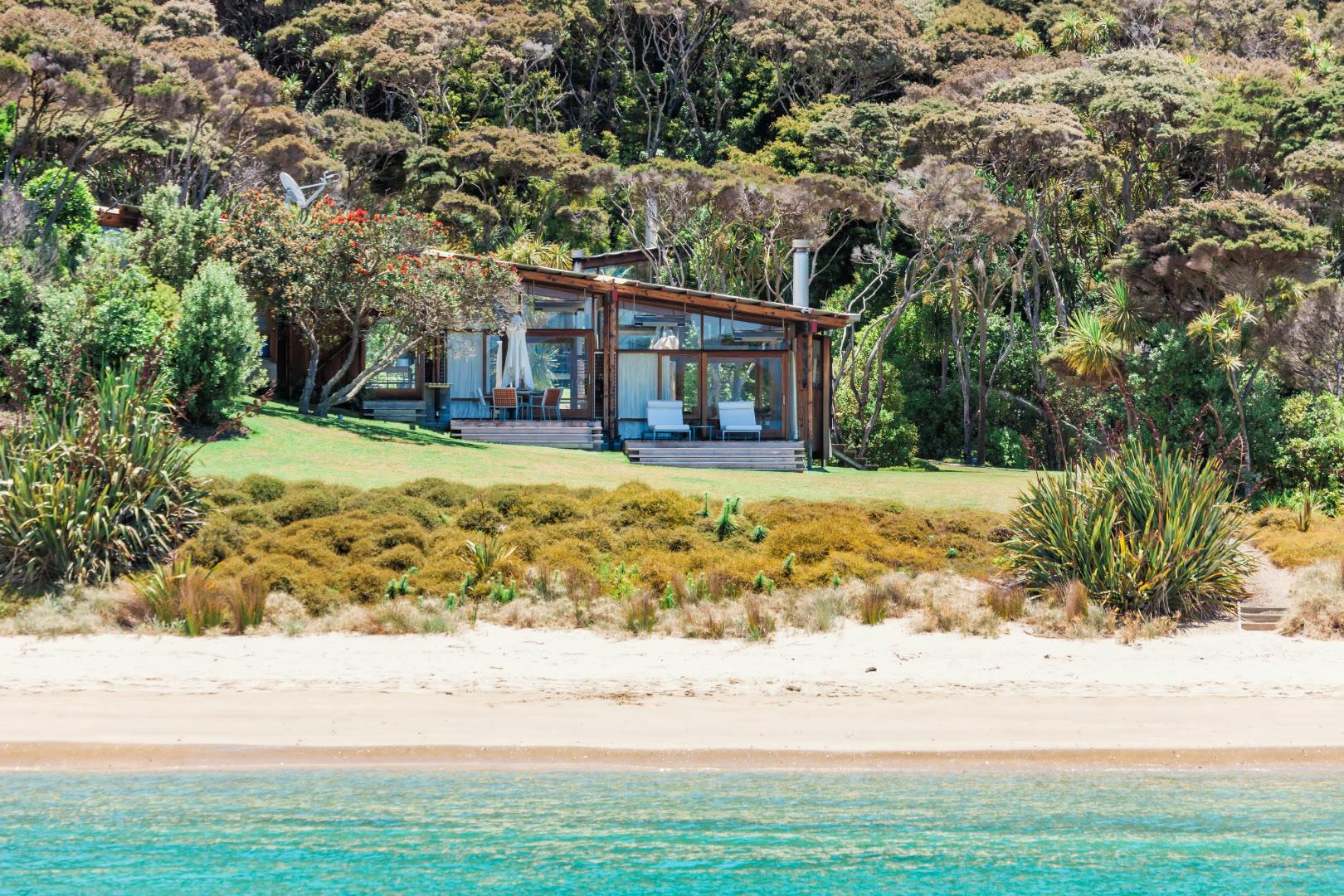
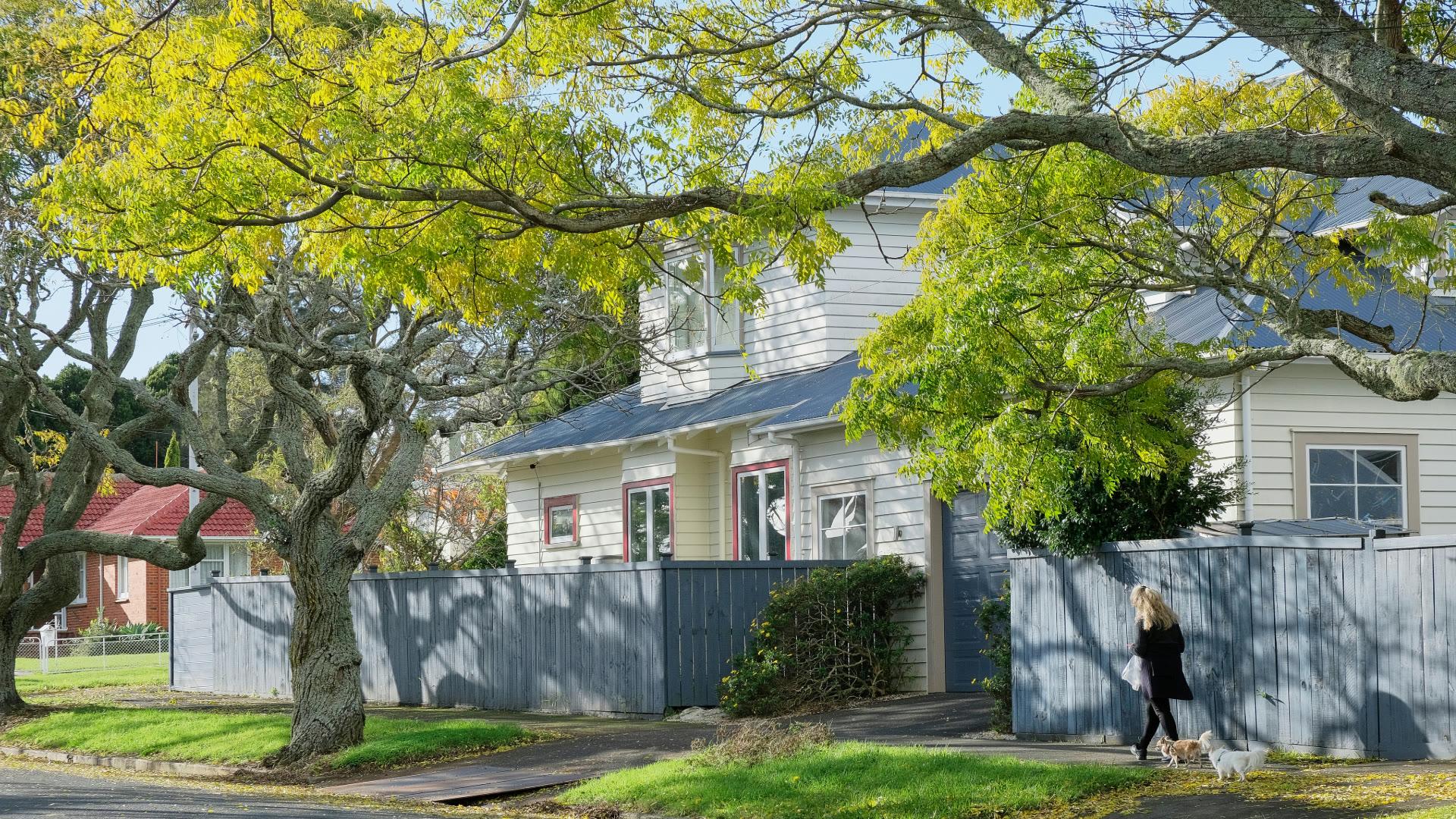
New Zealand is a standalone-house country. Roughly four in five homes sit on their own patch of land. That's why the bach, the family holiday home, is a national institution rather than a luxury.
Apartments are concentrated in Auckland, Wellington and Queenstown, where they're the entry point to the resort market. Townhouses are the fast-growing middle, after a decade of densification. Sections (bare land to build on) and off-the-plans new builds round it out, each with its own rules for offshore buyers.
What about prices? The national median has sat in the high NZ$700,000s to low NZ$800,000s lately. But the markets we cover run on their own gravity:
- Coromandel beach towns: entry around NZ$850k to $900k
- Omaha: very little under NZ$1.5m
- Queenstown: apartments from NZ$700k, houses NZ$1.5m to $4m
Live numbers sit with the sources. QV's index and REINZ's monthly data are linked from the resource library, and each area page carries its own band.
| Buyer | Existing homes | New apartments* | Commercial | Farmland |
|---|---|---|---|---|
| NZ / Australian / Singaporean citizens | Yes | Yes | Yes | Conditions |
| Australian / Singapore PRs (offshore) | No | Yes | Yes | Conditions |
| NZ residence visa, ordinarily resident | Yes | Yes | Yes | Conditions |
| Investor visa (AIP) holders | Conditions | Yes | Yes | Conditions |
| Everyone else | No | Yes | Yes | No |
*New apartments: off-the-plans units in large developments holding an exemption certificate. Farmland and most rural land over 5ha is sensitive land - Overseas Investment Office consent, for everyone offshore. Investor-visa holders: one existing home above NZ$5m.
What am I actually buying? The four title types
Offshore buyers compare houses. New Zealand lawyers compare titles. The title type changes what you own, what you can do with it, and sometimes whether a bank will lend on it:
- Freehold (fee simple). You own the land and everything on it, outright, forever. Most standalone homes. The clean case, and for a first offshore purchase the strong default.
- Cross-lease. You co-own the underlying land with your neighbours and lease your dwelling back from the collective, usually for 999 years at no rent. Common in older suburbs and cheaper to buy into, but altering the house needs the neighbours' consent, and a flats plan that no longer matches the building is a classic settlement delay. It trades a few percent under equivalent freehold for a reason.
- Unit title. Apartments and many townhouses. You own your unit plus a share of common property, run by a body corporate with levies and a long-term maintenance plan. The building's secrets are in the body corporate minutes: read two years of them before you offer, and have your lawyer check the long-term maintenance fund against the building's age.
- Leasehold. You own the building; someone else owns the land and charges ground rent that gets reviewed upward, sometimes brutally. The prices look temptingly cheap, and the ground-rent reviews are why. Some leaseholds are fine to buy with your eyes open, but model the next two rent reviews before you fall for the discount.
What does it earn?
Start with the yields. Residential runs 3 to 5% gross. Premium holiday postcodes sit at the bottom of that range, because the price carries a lifestyle premium the rent never catches up with.
So the case for residential is capital growth, tax-light holding, and a use you can't put a yield on. It's not cash flow.
The exception is Queenstown short-stay. Two genuine peak seasons mean a well-bought apartment or house routinely covers most of its holding costs.
Long-term rental - main centres
3-5%
Long-term rental - premium holiday areas
2-4%
Short-stay / holiday let (well-located)
4-8%
Indicative ranges, gross of costs. Short-stay figures depend heavily on location, management and season - Queenstown sits at the top of the band, beach towns earn strongly for a short summer. Live market data: see the resource library.
What does it cost to hold?
Holding costs are a short list:
- Council rates: roughly NZ$2,500 to $6,000 a year for most holiday homes, set by each council against the property's value
- Insurance: standard everywhere, priced up in coastal and alpine postcodes
- Maintenance
- Management, if it earns: about 8 to 10% of rent for a long-term tenancy, 20 to 25% for a holiday let where someone handles guests, cleaning and listings
If the property earns, New Zealand taxes the income first through your IRD number. Interest on the rental's loan is deductible under current rules. Australian owners declare the income at home with a credit for the NZ tax paid.
New build or existing?
Existing homes come with the land share, the character and the established streets. For exempt nationalities, they're the whole market.
New builds answer with lower maintenance, a 10-year implied warranty, better thermal performance, and one big structural advantage. Apartments in approved large developments are the one residential product any nationality can buy off the plans. That makes them the residential lane for restricted buyers, and the foreigners guide covers that door.
Buying off the plans adds its own homework: the developer's track record, the sunset clauses, and what happens to your deposit if the project slips.
~80%
of NZ dwellings are standalone houses - this is a land-and-house market at heart
3-5%
typical gross yield on long-term residential - growth and use carry the case
10 yrs
implied warranty horizon on new-build workmanship under NZ building law
- 1
Rails up
Week 0-2Lawyer engaged, ID and source-of-funds papers certified, FX account verified, pre-approval if borrowing (20% deposit owner-use, ~30% investment).
- 2
Shortlist + due diligence
Weeks 2-8LIM report, builder's report, title review, hazard layers, body corporate minutes for unit titles - the six-check toolkit, per property.
- 3
Offer, deadline or auction
Day 0Conditions protect you in negotiated sales; auctions are unconditional on the fall of the hammer, so checks come first.
- 4
Deposit + countdown
Day 0-1410% to the agent's trust account at unconditional. Convert and position settlement funds now.
- 5
Settle and switch on
Week 4-6Insurance from settlement day, rates transferred, utilities on, property manager engaged if it earns, IRD number in motion.
What does my budget actually buy?
Browse the current listings and the regions, or take the two-minute quiz and we'll point you at the right ones for your budget and timeframe.
Take the pathway quiz